






Lawn pests often leave brown patches or loose turf, or they damage roots. The right response starts with identifying the cause and matching treatment to where the pest feeds. Utah problems include white grubs, billbugs, and sod webworms that attack turf. The best results come from correct identification and timely treatment.
How to spot lawn pest damage
Brown spots may show up even when the lawn gets enough water. Insects often leave damage in different places, from chewed grass blades to weakened crowns or roots below the soil. Birds digging into the lawn may be searching for grubs, while small moths resting on or flying over the grass may point to sod webworms.
Before treating the lawn, look closely at the damaged area and check for signs of insect activity. Identifying the cause first helps you choose the right treatment and avoid unnecessary applications.
How to tell if pests are causing lawn damage
Look at how the damage shows up across the lawn. Insects that damage lawns often leave behind loose turf or chewed grass. Damaged stems may point to pest activity. If the same areas keep drying out along a sprinkler pattern, irrigation may be the real issue. Disease can also discolor grass without leaving obvious signs of insects.
| What you notice | Possible pest | Where to check |
| Sod lifts easily | White grubs | Root zone |
| Grass breaks near the crown | Billbugs | Stems and crowns |
| Chewed blades or small moths | Sod webworms | Thatch |
| Brown patches near hot pavement | Chinch bugs or mites | Stems and thatch |
| Fast chewing damage | Armyworms or cutworms | Surface and thatch |
| Narrow surface trails | Voles | Lawn surface |
| Fan-shaped soil mounds | Pocket gophers | Underground |
Common turf pests and how to control them
White grubs
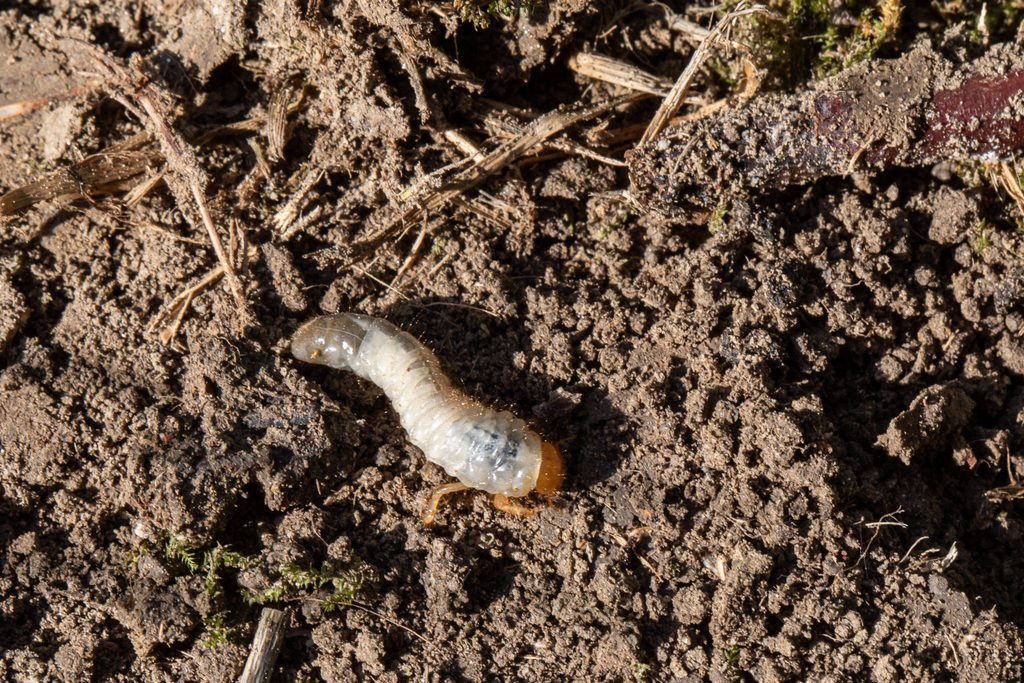
White grubs are beetle larvae that feed on roots. If they feed heavily, your turf will turn yellow or brown, and damaged sod may lift easily. Look for C-shaped larvae beneath the grass. Beneficial nematodes or a labeled grub product may help.
Billbugs
Billbug larvae feed inside stems before moving toward crowns and roots, so target the younger larvae early. Utah damage often peaks in mid-to-late summer. If you aren’t sure what pest it is, try the tug test. Damaged grass may break away, revealing hollow stems.
Sod webworms
Sod webworms spend the day down in the thatch and come out at night to feed on grass blades. You may notice thinning patches, chewed grass, or small moths moving over the lawn around dusk. A soap flush helps bring the larvae to the surface. Bt or spinosad may help while the larvae are still young.
Cranberry girdlers
Cranberry girdlers, also called subterranean sod webworms, feed around the crowns and roots of grass. Damage often appears as thinning or brown patches, and the sod may begin to loosen from the soil. Because the larvae remain below the surface, treatment must reach the crown and root zone.
Armyworms and cutworms
These caterpillars feed mainly at night and chew grass above the soil. A soap flush helps confirm activity. Healthy grass often grows back after light feeding. Bt or spinosad may help against younger larvae.
Chinch bugs
Chinch bugs pierce grass tissue and favor sunny areas during hot, dry weather. Damage often resembles drought stress, so you’ll want to inspect stems and thatch near an expanding patch. Correct severe drought stress first, then use targeted treatment when needed.
Banks grass mites and other turf mites
Turf mites may leave the grass yellow or silver. Severe feeding may turn it brown. Reduce drought stress and avoid broad-spectrum insecticides that kill natural predators.
Crane fly larvae
Crane fly larvae live near the soil surface and feed around grass roots and crowns. They tend to show up more often in lawns that stay consistently wet. Cutting back excess irrigation and improving drainage may help reduce activity. For heavier infestations, beneficial nematodes or a treatment labeled for crane fly larvae may help.
Leafhoppers and grasshoppers
Leafhoppers feed on grass and may leave small pale spots behind. They rarely cause enough damage in Utah lawns to require treatment. Grasshoppers create more noticeable chewing damage when populations rise. If control becomes necessary, it usually works best while grasshoppers are still young.
Ants
Ants often build colonies in lawns without feeding on the grass itself. Their mounds may interfere with mowing or become a nuisance around patios and other high-traffic areas. If treatment becomes necessary, target the active nest instead of applying insecticide across the entire lawn.
Earwigs
Earwigs usually hide in damp areas around the lawn rather than feeding heavily on turf. They may damage nearby flowers or garden plants when populations grow. Reduce moist hiding places first, then use traps or targeted treatment if they continue causing problems.
Voles
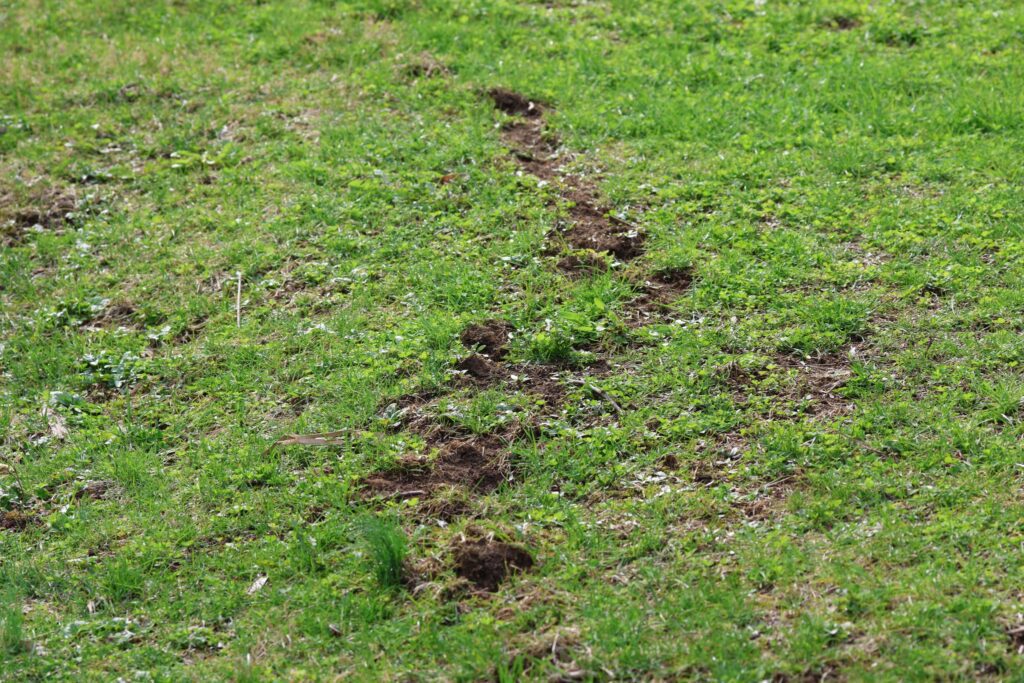
Voles don’t eat turf the way grubs or webworms do, but they leave narrow runways through the lawn and may clip grass close to the ground. Reduce dense cover and use traps along active runways when activity becomes heavy.
Pocket gophers
Pocket gophers damage lawns through tunneling and root feeding. Fresh, fan-shaped soil mounds usually reveal their activity. Trapping active tunnels usually offers the most direct control.
Plant-parasitic nematodes
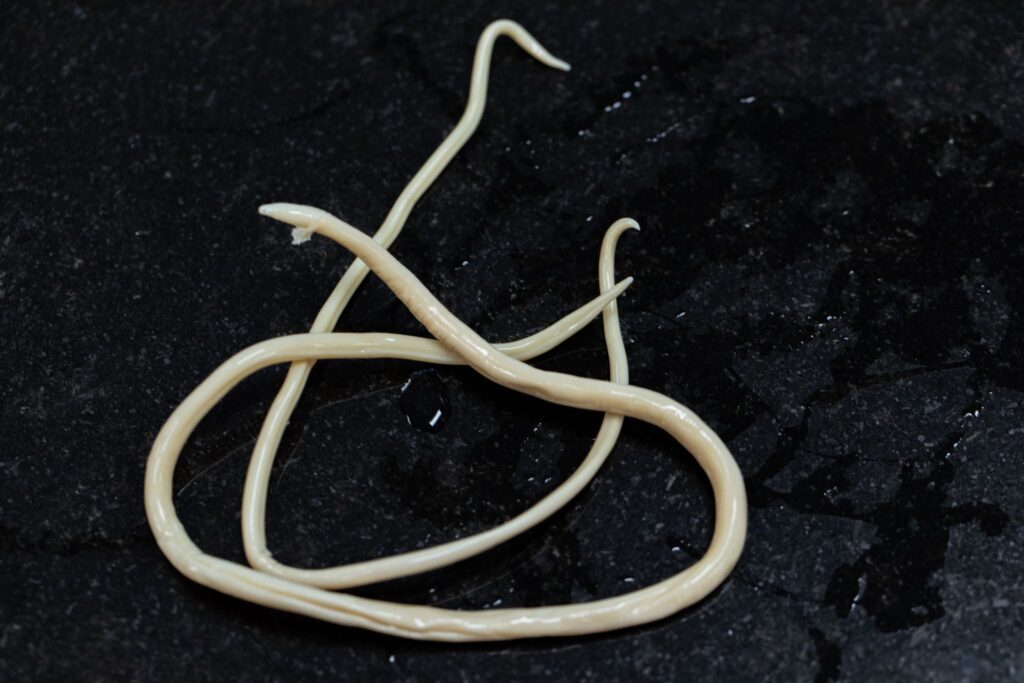
Some nematodes feed on grass roots and weaken turf below the surface. Their damage may look like drought stress or poor nutrition, so soil or root testing helps confirm the problem before treatment.
How to check your lawn before treating
Different insects that damage lawns leave different clues, so take a closer look before choosing a treatment. Try these simple checks before treating the lawn:
- Look at the pattern. See whether the damage lines up with dry spots or weak sprinkler coverage.
- Try the tug test. Gently pull on damaged grass to check for billbug damage near the stems and crowns.
- Lift a section of turf. Check the root zone for white grubs or other soil-dwelling pests.
- Use a soap flush. This may bring sod webworms, cutworms, or armyworms to the surface.
- Check the thatch. Look closely for chinch bugs, mites, or other small pests hiding near the base of the grass.
If you still can’t tell what’s causing the damage, get a professional assessment before applying treatment.
Choosing the right lawn insect control method
The right lawn insect control method depends on where the pest spends its time. A treatment that works near the surface may not reach insects feeding deeper in the soil.
- Surface feeders: Sod webworms and chinch bugs stay around the grass blades or thatch, so treatment needs to reach that part of the lawn.
- Root feeders: White grubs live below the surface. Products that target them often need water to move into the root zone.
- Crown feeders: Billbugs move from grass stems into the crowns and roots. Treating them earlier in their life cycle usually gives better results.
- Beneficial nematodes: These move through moist soil and attack certain insect larvae below the surface.
- Chemical treatments: Always follow the product label for application and watering directions.
Match the treatment to the pest rather than using the same approach across the entire lawn.
Common pest control mistakes
A few common mistakes make lawn pest problems harder to solve:
- Treating too soon. Make sure insects are actually causing the damage before applying anything.
- Treating more lawn than necessary. If the problem stays in one area, focus treatment there instead of covering the entire yard.
- Waiting too long. Many products work better while larvae are still young.
- Using too much pesticide. Applying more than the label recommends won’t improve control and may create other problems.
- Killing beneficial insects. Broad-spectrum products may also eliminate predators that help keep pest populations in check.
- Expecting dead grass to recover right away. Treatment stops further damage, but severely damaged turf may still need time to recover or require replacement.
How to prevent another infestation
A healthy lawn holds up better when pests show up. A few simple habits help reduce the chance of another problem:
- Water consistently. Give the lawn enough moisture without keeping the soil constantly wet.
- Fix sprinkler gaps. Dry spots weaken the grass and make damage more noticeable.
- Reduce excess thatch. Thick thatch gives some pests more places to hide.
- Avoid overfertilizing. Too much fertilizer may push soft growth that some pests prefer.
- Mow at the right height. Keeping the grass at a healthy height helps protect the crowns and roots.
- Watch problem areas. Check spots that suffered damage before, especially during the same time of year.
- Act early. Catching a growing pest population early usually makes control easier.
Utah pest considerations
Utah’s dry air and summer heat stress the grass while several common pests reach damaging stages. Timing also varies between northern and southern Utah, so a single treatment date doesn’t work for every yard.
Japanese beetles need a different response than most lawn pests. Utah still works to keep them from becoming established, so suspected beetles should be reported for proper identification. Don’t treat them like a routine grub problem.
FAQ
What are the most common turf pests in Utah?
Utah homeowners often encounter white grubs, billbugs, sod webworms, chinch bugs, mites, cutworms, armyworms, or cranberry girdlers.
How do I know if bugs are killing my lawn?
Look for loose turf or chewed blades, and check the roots for larvae. Compare the problem area with sprinkler coverage before assuming it’s insects.
What insect makes grass pull up easily?
White grubs often loosen sod because they feed on roots. Billbugs may also loosen grass near the crown. Dig below the turf and inspect stems to tell them apart.
Do turf pests ever go away without treatment?
Low populations may stay below damaging levels. Healthy turf may tolerate some feeding. If damage keeps spreading, targeted treatment may make sense.
What’s the best way to get rid of lawn insects?
Start with correct identification. Target the pest at the right life stage and where it feeds. Good lawn insect control also reduces turf stress, so the grass recovers more effectively.
Should I replace sod after a pest infestation?
Replace sod when severe root or crown damage leaves sections dead. It’s important to control the pest first, then correct underlying problems before installation. Otherwise, you’ll have the same problem and have to start all over again.
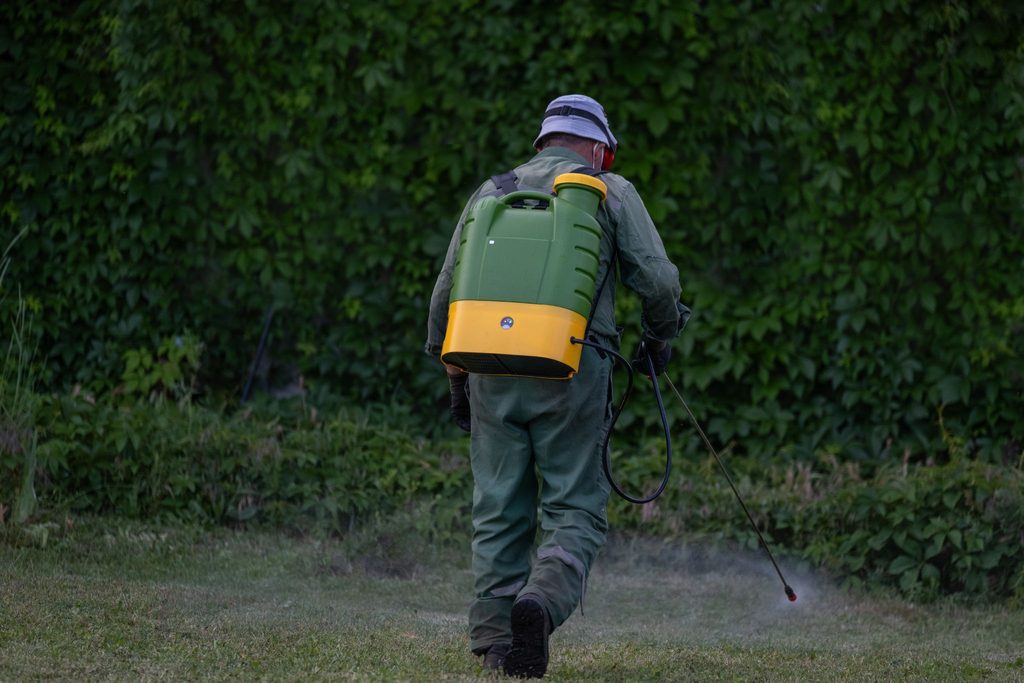
Protect and repair your lawn with Monarch Sod
Once the pest problem is under control, you can start repairing the damaged areas. If insects that damage lawns leave behind large dead or thinning patches, fresh sod may help restore even coverage more quickly.
Monarch Sod offers fresh sod delivery and installation throughout Utah. We’ll help you choose the right grass for your yard and explain how to care for it as the roots establish. Contact Monarch Sod to request a quote or get help planning your sod project.