






Utah homeowners commonly encounter necrotic ring spot, summer patch, snow mold, melting out, powdery mildew, and fairy ring. These fungal problems leave different clues, from circular brown patches to spots on grass blades. Check symptoms and growing conditions before treating. Some lawns recover with better care, while dead sections need repair or replacement.
When brown patches point to lawn disease
A few brown patches don’t automatically mean your grass has a fungal infection. Utah’s summer heat and uneven sprinklers often leave lawns looking patchy. A spot that appears after snowmelt has a different likely cause from a ring that grows every July, so pay attention to timing as well as color. But if brown circles return in the same place each year, or individual blades develop unusual spots, a disease may be responsible.
A good diagnosis helps you avoid the wrong treatment, especially when common lawn pests leave damage that resembles a fungal infection. This guide walks through the most common signs, the causes of the damage, and the steps to help protect your grass. You’ll also learn when to wait for recovery and when to replace damaged sections.
What causes lawn diseases in Utah?
Several common lawn diseases begin with fungi that live in soil or grass tissue. They often escape notice until conditions favor infection.
Several conditions increase risk:
- Excess moisture: Frequent irrigation and poor drainage favor some fungi.
- Compacted soil: Tight soil restricts root growth during summer heat.
- Improper fertilization: Heavy nitrogen applications promote vulnerable growth.
- Weather stress: Summer heat exposes earlier root damage.
Drought doesn’t cause fungal infections on its own, but dry roots may struggle once disease has weakened them. In Utah yards, a slope or shaded corner may receive very different moisture from the rest of the lawn, even under the same sprinkler schedule.
How to identify lawn disease before treating it
Inspect the damaged grass up close. Identifying lawn diseases requires examining both the grass and the growing conditions.
Look for these symptoms:
- Brown rings: May point toward necrotic ring spot, summer patch, or fairy ring.
- Spotted blades: Dark lesions with pale centers suggest leaf spot or melting out.
- White growth: Powder on shaded blades suggests mildew; fuzzy growth after snowmelt suggests snow mold.
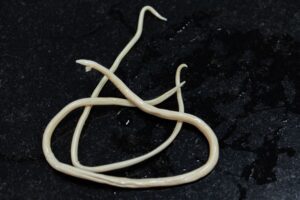
- Weak roots: Grass that lifts easily or has dark roots may have root damage, although insects and poor drainage produce similar symptoms.
Run each sprinkler zone, check its coverage, and feel the soil a few inches down. Dry soil and lingering footprints suggest drought stress; consistently soggy soil suggests an irrigation or drainage problem. If turf pulls away easily, inspect the roots and stems for insects as well. Photograph the same patch each week to see whether fresh damage continues expanding.
If the damage continues, take photos of the affected areas and consider submitting a turfgrass sample for diagnosis. Collect grass and soil from the boundary between healthy and damaged turf, and check laboratory availability before sending your sample.
Common lawn diseases in Utah and how to treat them
Different fungi attack different parts of the grass, so common lawn diseases in Utah often show different symptoms and require different treatments.
Necrotic ring spot
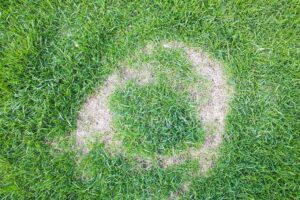
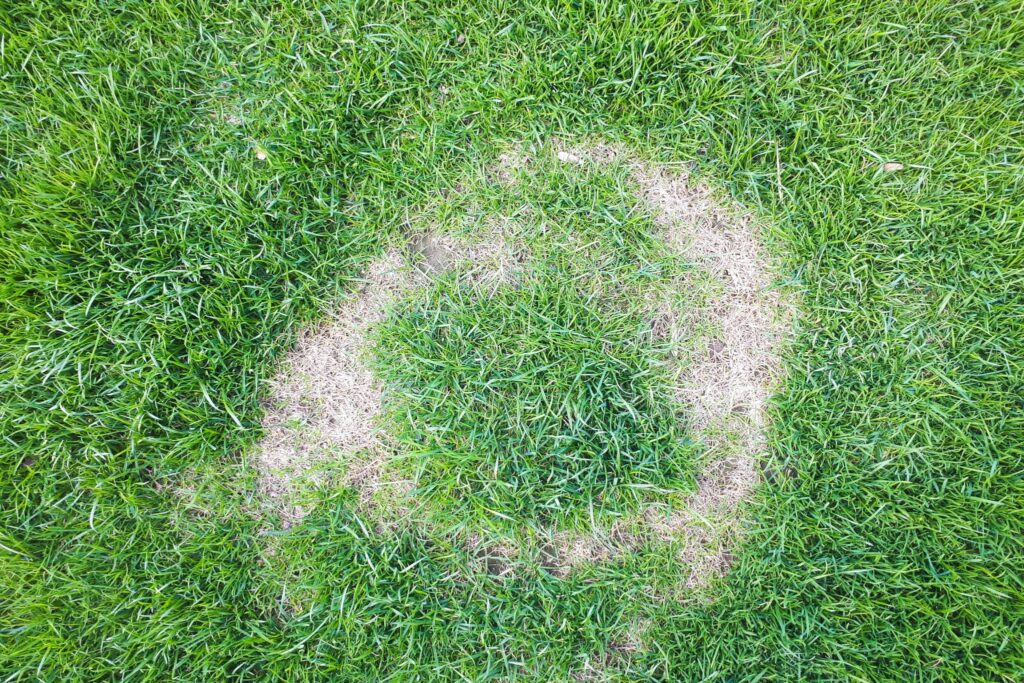
This disease often produces brown arcs or circles with green grass in the middle. It attacks roots and crowns, particularly in Kentucky bluegrass. Summer heat often exposes earlier infections when weakened roots struggle to supply water.
Reduce compaction, manage thatch, and avoid sudden fertilizer spikes. Because the fungus attacks roots, watering adjustments alone may not stop recurring outbreaks; healthy surrounding grass needs favorable conditions to fill the thin areas. Keep grass at an appropriate mowing height. Recurring cases may require diagnosis and preventive treatment timed to the infection.
Summer patch
Summer patch also attacks roots, creating brown circles or irregular dead areas during warm weather. It resembles necrotic ring spot, so patch shape alone won’t confirm the fungus.
Improve drainage where water lingers and avoid aggressive summer fertilization. Reduce unnecessary traffic on stressed turf. Recurring cases may warrant preventive treatment or a different grass type.
Gray and pink snow mold
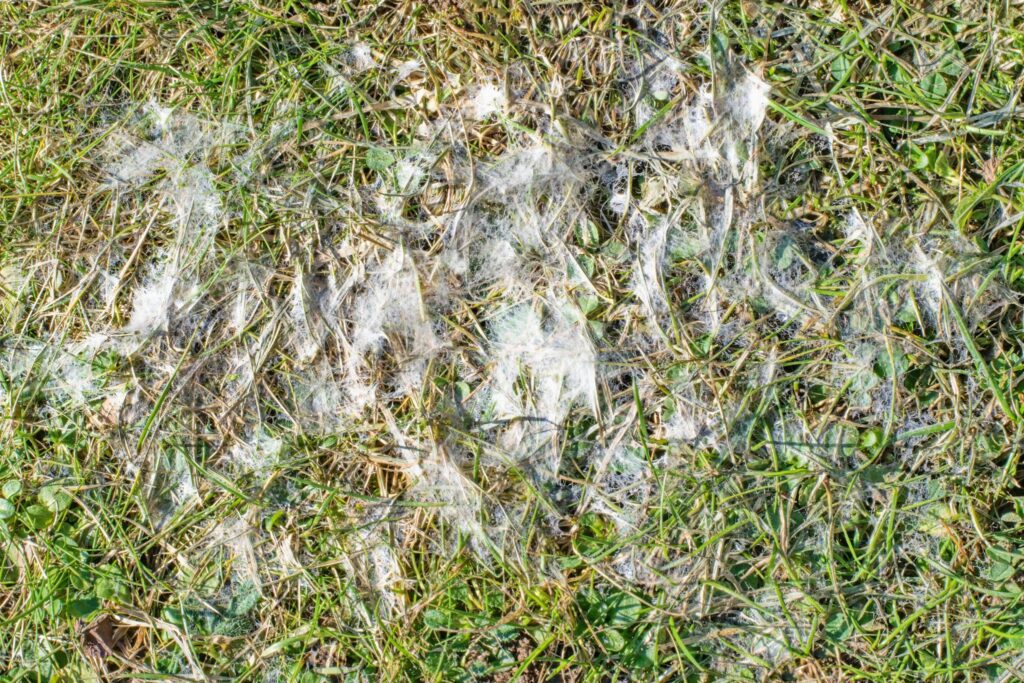
Snow mold appears as matted, straw-colored patches when winter snow retreats. Gray snow mold may leave pale fungal growth and tiny dark structures. Pink snow mold may create faint pink margins and also develops without snow cover during cool, damp weather.
Gently loosen matted grass once the lawn has dried, then watch for fresh growth. Before winter, avoid heavy nitrogen applications and repeated snow piles on grass.
Melting out and leaf spot
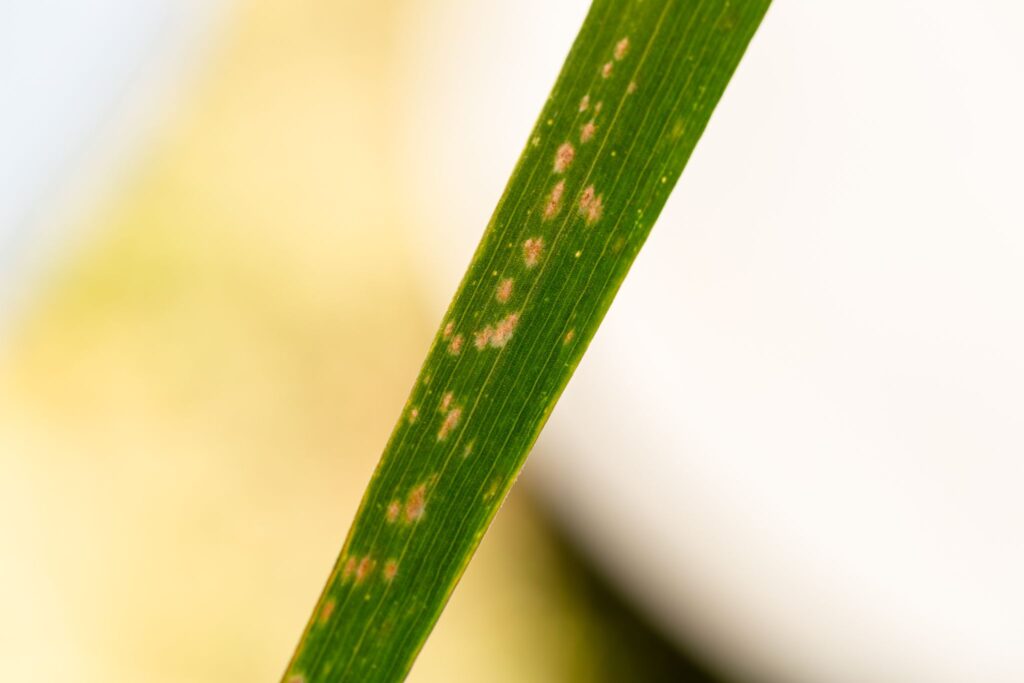
Look closely at individual blades for purple-brown spots with lighter centers. Infected turf eventually thins and develops dead patches. Cool, wet spring weather often favors these fungi.
Mow with sharp blades, reduce thick thatch, and avoid large nitrogen applications in early spring. Water established turf deeply when needed rather than keeping leaves wet throughout the day.
Powdery mildew
A white, flour-like coating on grass blades usually signals powdery mildew. Kentucky bluegrass suffers in deep shade where air barely moves.
Thin overhanging branches where practical. For heavily shaded areas, consider a more shade-tolerant grass type instead of repeatedly treating the same symptoms.
Fairy ring
Fairy ring fungi create circles of darker-green grass, sometimes with mushrooms along the edges. Water-repellent soil turns some rings brown; others cause little harm.
Check whether the soil feels dry inside the ring, even if the surrounding lawn has enough moisture. Aerating the area and adjusting your watering may help water reach the roots. If mushrooms appear but the grass still looks healthy, you may not need treatment.
Other diseases to recognize
Ascochyta leaf blight sometimes bleaches grass almost overnight after mowing or weather stress. Brown patch develops during hot, humid conditions and may create expanding areas of damaged turf. Utah homeowners encounter both diseases less often than the diseases above.
Why identifying lawn diseases early helps
Identifying lawn diseases early helps limit damage and avoid unnecessary treatments when broken sprinklers or insects cause browning.
For recurring root disease, the timing of treatment affects results. A preventive application may help during the infection window, while spraying after the grass dies won’t repair its roots. Note when symptoms begin and whether they return each year.
Common treatment mistakes to avoid
Even after you identify a disease, poor lawn care may increase stress. Avoid these mistakes:
- Assuming every brown patch needs fungicide. Inspect watering and insects first.
- Adding water without checking the soil. Moisture favors certain fungi, while damaged roots need support during periods of heat.
- Applying extra fertilizer to force green growth. Excess nitrogen may worsen certain infections.
- Expecting dead turf to recover immediately. Treatment won’t revive dead plants.
- Using one treatment for every fungus. Disease type and treatment timing determine what helps.
When do lawn diseases appear in Utah?
Seasonal timing offers clues, though watering and weather affect outbreaks.
- Spring: Melting out becomes noticeable; snow mold leaves patches after snowmelt.
- Summer: Summer patch and necrotic ring spot cause visible heat-season damage; Ascochyta blight may suddenly bleach grass.
- Fall: Cooler, moister conditions favor infection; shade encourages mildew.
- Winter: Snow mold fungi develop under prolonged snow cover, especially where heavy snow piles linger.
When should you repair or replace grass after disease?
First, determine whether the grass has living roots. Look for new green blades near the patch edges and gently tug on the turf. Anchored grass with fresh shoots may recover. Completely dead sections won’t regrow from dead crowns.
Allow surviving grass to recover after correcting the cause. Small bare areas may respond to reseeding, while widespread dead turf may justify new sod. If surviving grass starts putting out green shoots during mild weather, monitor its recovery before removing it. Those shoots offer a better clue than the color of older leaves. Don’t cover infected or compacted ground and expect the original problem to disappear.
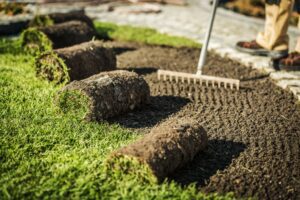
Before sod installation, correct sprinkler coverage and improve soil conditions where necessary. Choose grass that fits the light and moisture in the yard. For larger repairs, coordinate fresh sod delivery so the pieces arrive when the ground is ready, and you can water them immediately.
FAQ
How can I tell if my lawn has a disease?
Look for repeating rings, leaf lesions, unusual fungal growth, or dark roots. Compare those clues with sprinkler coverage and soil moisture. If patches expand, request a professional diagnosis.
What is the most effective way to treat lawn diseases?
Identify the cause first. Some infections respond to changes in mowing and watering, while recurring root diseases may require preventive fungicide at the right time. No single treatment works for every fungus.
Does mowing spread lawn fungus?
Some pathogens move through infected clippings or contaminated equipment, especially when the grass is wet. Avoid mowing visibly diseased turf when it’s damp, and clean equipment after working in affected areas. Spread varies by fungus.
Will lawn fungus go away on its own?
Some symptoms fade when the weather improves, and the grass resumes growth. Root infections may persist or return each year. Watch for fresh shoots rather than relying on the old blade color.
Will my lawn recover from snow mold?
Many lawns recover as temperatures rise and grass starts growing again. Gently lift matted blades after they dry. If patches stay bare as the surrounding grass grows, inspect the crowns.
Why is my sod grass turning brown?
New sod often browns because it dries out, is missed by sprinkler coverage, or lacks good contact with the soil. Disease remains another possibility. Check the moisture beneath the sod and inspect whether its roots are starting to take hold.
What should new sod look like after a week?
Healthy new sod generally stays green and shows early signs of rooting, although temperature and grass type affect the rate of rooting. Edges that curl or turn crispy suggest drying. Follow your new-sod watering guidance.
What are some natural fungicides I can use on my lawn?
Natural fungicide options include neem oil and biological products containing Bacillus subtilis, a beneficial bacterium that helps suppress certain fungal diseases. Potassium bicarbonate also treats some fungal infections. However, not every product works on turfgrass or against every disease. Check the label for approved lawn uses before applying any treatment.
Get your lawn back on track with Monarch Sod
Before replacing brown patches, look for signs of new growth and check whether the roots are still healthy. Some areas may recover with better lawn care, while completely dead sections may need reseeding or new sod. If disease caused the damage, address the underlying problem before repairing the lawn to keep it from returning.
Monarch Sod helps Utah homeowners replace dead turf with fresh sod and installation guidance. When you’re ready to discuss your yard, contact Monarch Sod for a free quote, and we’ll help you plan the next step.