







Get the landscape ready before the truck arrives
The building looks nearly finished, but contractors still need access along one side. The irrigation crew hasn’t tested the rear lawn, and the project schedule calls for grass near the entrance.
Before scheduling commercial sod delivery or installation, confirm which areas are ready and who will manage them afterward. Accurate measurements and clear crew assignments keep unfinished work from delaying the landscaping. A delivery date doesn’t resolve an incomplete grade or a sprinkler problem. Give the turf crew a site they can work on immediately, and the finished lawn gets a stronger start.
Choose turf for the property’s daily use
Before you finalize your grass selection, consider how the finished property will operate. An office entrance sees steady foot traffic, while a lawn behind a sign serves mostly as landscaping. Apartment grounds face different demands than a strip beside a warehouse.
Check sunlight where buildings cast shadows. Identify slopes that affect watering and shortcuts people might take across the lawn. Those details help the landscape professional evaluate turf choices for the site.
Confirm the grass type with the project team before making substitutions. The maintenance crew also needs to understand its watering requirements. Ask how staff will mow the smaller sections and whether building access will restrict regular maintenance. Narrow grass strips beside pavement require special attention during watering and trimming.
Prepare the site before scheduling installation
1. Confirm measurements against the final plans
Use the latest landscape drawing, then walk the site. Construction changes sometimes extend a sidewalk into an area originally marked for grass.
Measure each phase separately and exclude paved surfaces. For irregular areas, use a sod measuring guide to break the space into manageable sections and calculate the square footage. Account for narrow strips and curves that require additional trimming.
2. Assign the soil preparation work
Commercial sod installation needs direct contact between the roots and prepared soil. Assign debris removal, soil loosening, and final grading to specific contractors.
Check low spots that hold water and slopes near buildings. Ask the appropriate site professional to resolve drainage issues before the turf crew begins work. New grass shouldn’t cover an unfinished grading problem.
Review each contractor’s scope so no one discovers an unfinished task on installation day. Have the site supervisor walk the prepared areas with the landscape crew before confirming that work is complete. That final check gives the team time to address remaining rocks, uneven surfaces, or debris.
3. Test the irrigation system
Run each irrigation zone and look for dry corners or blocked sprinkler heads. Have the irrigation contractor correct coverage problems before crews install the grass.
Give the caretaker controller access and review the zones together before installation.
4. Match delivery with crew availability
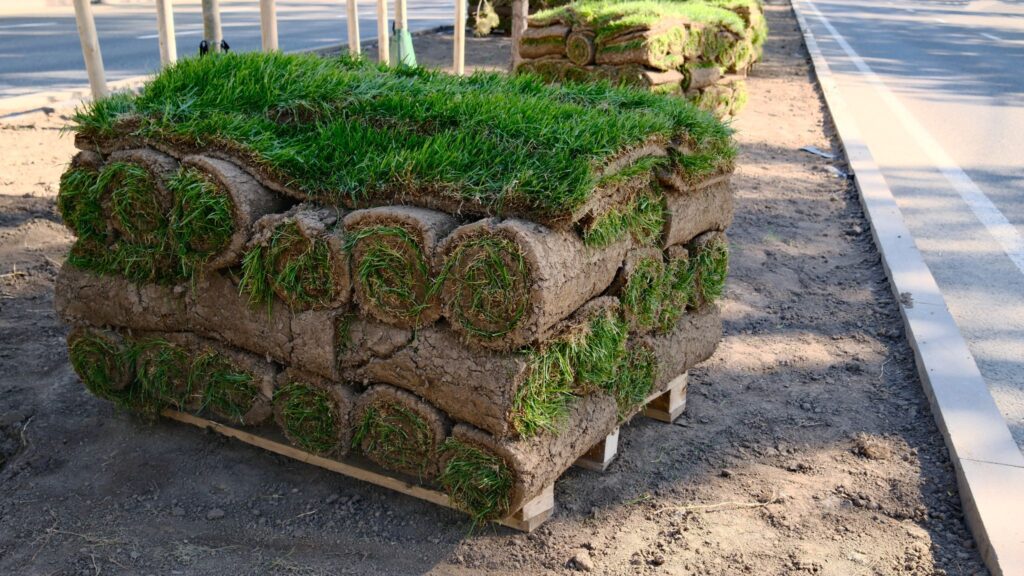
Schedule sod delivery for a day when the site and installation team are ready. Fresh sod needs prompt installation, not a long wait on pallets.
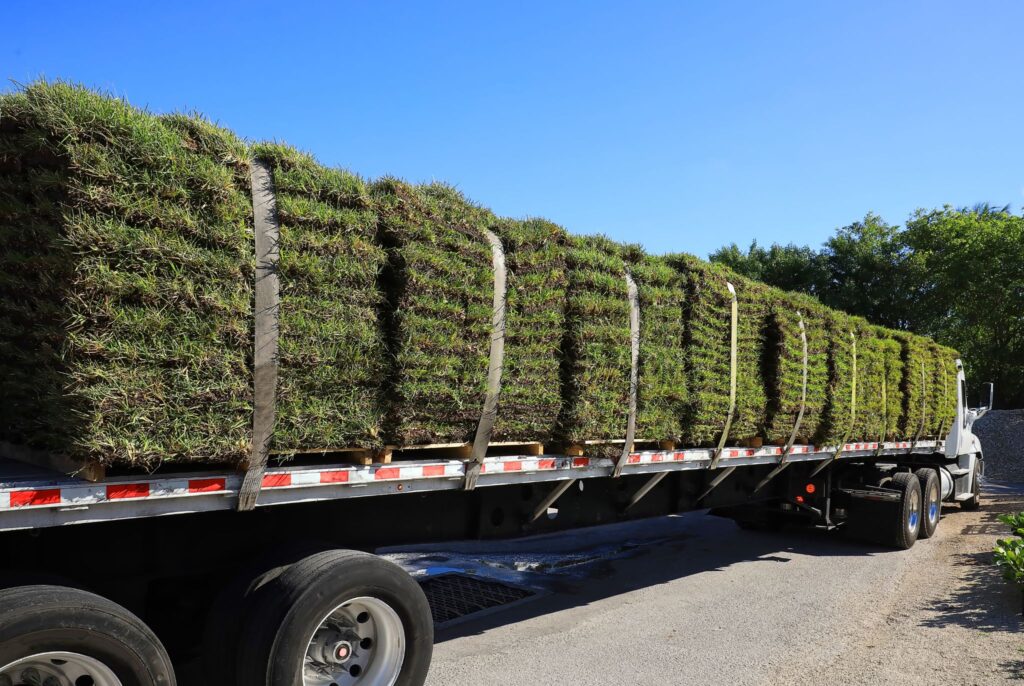
Confirm the truck’s entrance and an approved unloading location. Explain access restrictions and name someone to meet the driver.
Coordinate sod around ongoing construction
Consider an office property with a finished entrance and an unfinished rear service area. Irrigation works at the front, but equipment still crosses the rear landscape.
The project manager could install the ready frontage as a separate phase after confirming measurements and crew access. Schedule sod delivery only after the supplier confirms the proposed arrangement.
For occupied commercial properties, coordinate installation with daily business activities to keep entrances and walkways accessible. Confirm where crews will unload sod and identify any conflicts with scheduled deliveries. Communicate temporary access changes to tenants and employees in advance so everyone knows where to enter and move around the property during installation.
Keep a simple record for each phase:
- Area: Record the location and measured square footage.
- Readiness: Name the person who signs off on grading and irrigation.
- Schedule: Track the proposed installation date and crew contact.
- Care: Assign someone to handle watering and traffic restrictions.
Update everyone when the site plan changes. For a multi-building development, keep each building’s grass quantity separate so that an unfinished phase doesn’t delay areas that already have working irrigation.
Give the new lawn a strong start
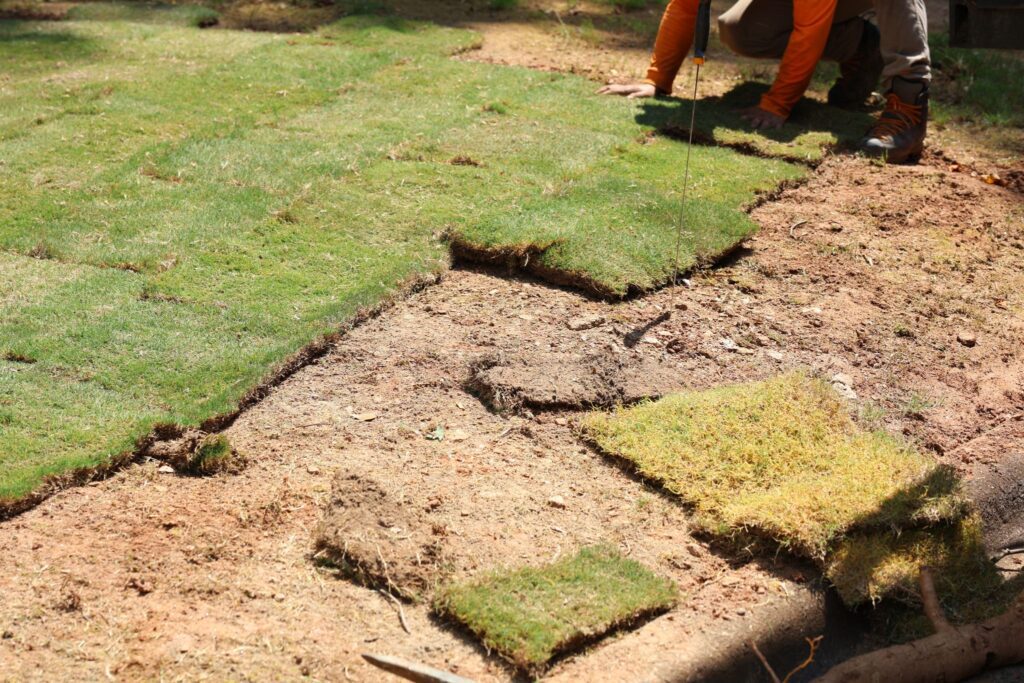
Commercial sod installation creates immediate green coverage, but the grass still needs time to establish roots in the underlying soil. The maintenance team needs a handoff before the crew leaves.
Identify who handles watering and foot traffic, then give that person the installer’s care instructions.
Establish a watering routine
New sod needs steady moisture while its roots begin to grow into the soil. Check moisture beneath the turf and follow the installer’s watering directions for the site’s conditions.
Protect the turf from traffic
Direct visitors toward existing paths and keep equipment off the grass. Assign someone to maintain barriers where people typically cut across the lawn.
Set an inspection schedule
Check for dry edges and poor sprinkler coverage, then correct problems promptly. Record irrigation adjustments so the maintenance team understands the routine. If the property changes hands shortly after completion, provide the new contact with the same instructions and the installer’s information. Nobody needs to reconstruct a watering plan from scattered text messages.
Avoid common planning mistakes
Avoid these common scheduling and maintenance problems:
- Ordering from outdated drawings. Compare the final landscape area with the current site before placing the order.
- Assuming every quote includes site preparation. Ask each contractor to identify the work its price covers.
- Scheduling around a target opening date alone. Confirm ground conditions and crew availability before committing to installation.
- Leaving unfinished irrigation work. Test the system before sod is laid over the area around sprinkler heads.
- Allowing traffic across fresh grass. Plan alternate routes while the new roots establish.
- Forgetting weekend watering. Assign a specific caretaker for days when construction staff aren’t on site.
Put the decisions in writing and share them with the property team. During the final site walk, confirm where crews will store materials and whether workers still need access across proposed lawn areas. Move those activities before installation.
Account for Utah soil and growing conditions
Heavy construction equipment compacts soil, making it harder for new sod roots to grow and absorb water. Proper soil preparation for turfgrass establishment helps loosen compacted areas and improve growing conditions before installation.
Have the landscape contractor evaluate compaction after construction and use soil test results to guide any amendments.
Utah’s dry air and wind speed up moisture loss, especially near parking lots and exposed edges. Monitor those areas closely during establishment.
Don’t copy the irrigation schedule from another property. Soil texture, sun exposure, and sprinkler coverage determine how the landscape team needs to water this site. Clay-heavy areas retain moisture differently from sandy sections, and disturbed construction soil can vary even within a single development. Review the actual soil conditions before setting a routine.
Prepare for your project quote
Bring current plans and phase measurements. Explain the specified grass type and remaining construction work.
When planning sod delivery, discuss any site access restrictions and confirm whether the project requires delivery, installation, or both. Review the service scope and scheduling options before adding installation dates to the construction timeline.
Ask the supplier and installation team:
- Which grass type does the quote include?
- Who handles the final soil preparation?
- Where will the truck unload?
- How will the team coordinate separate project phases?
- Who provides the watering instructions?
Share the arrangements with the site contact and request updated terms if plans change. Photos of the unloading area and a marked site plan also help the delivery team understand where the work will happen.
FAQ
Does Monarch Sod work with businesses and new construction projects?
Yes. We offer delivery and installation options for commercial properties and new construction. Share the project address and square footage so the team can understand your site and confirm service availability.
Does a large project need multiple deliveries?
It depends on site readiness and crew availability. Divide the landscape into phases when contractors still need access. Discuss sod delivery options before finalizing the construction timeline.
When is the new lawn ready for foot traffic?
Keep foot traffic off the new lawn until the roots establish firmly in the soil. Even if the grass looks healthy and green, it still needs time to develop a strong root system before it can be used regularly.
Who waters the grass after installation?
Assign a caretaker who understands the controller and the installation instructions. Include weekends when construction and maintenance teams work different schedules.
Plan your project with Monarch Sod
A successful commercial sod installation starts well before the turf reaches the property. Confirm measurements and soil readiness with the contractors on site. Give your maintenance team clear watering instructions.
Contact Monarch Sod to discuss your project and confirm delivery or installation options. We’ll help you plan the next step around your property’s schedule.