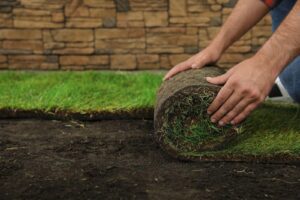








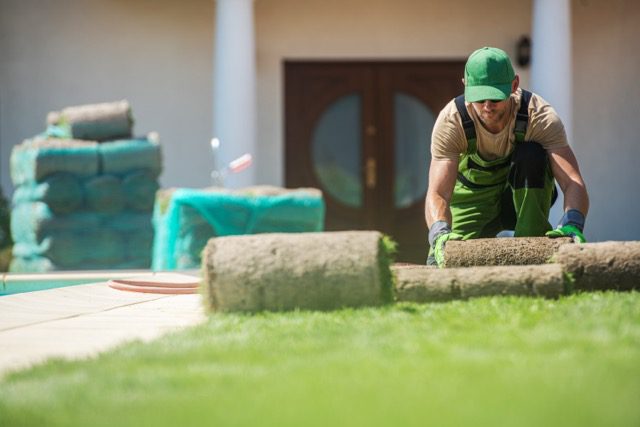
Proper maintenance helps Utah homeowners protect their investment and ensure a lush, vibrant lawn. The best sod maintenance tips include watering 30 minutes after installation, avoiding foot traffic for two weeks, and applying fertilizer on new sod according to a seasonal holiday schedule. These steps encourage deep root growth and long-term turf health.
How proper care helps new sod thrive
New sod changes the fabric of your landscape and adds immediate value to your home. Whether you’re upgrading your outdoor space or refreshing an existing yard, the result is the same — instant curb appeal. If you’ve recently laid fresh turf and want your lawn to flourish, you may be wondering what comes next.
The work does not stop once the last roll touches the soil. In fact, how you treat your grass in the first few weeks determines its health for years to come.
In this guide, you will learn the essential pillars of sod maintenance — including precise watering schedules, mowing heights, and when to apply fertilizer on new sod — specifically tailored for Utah’s unique high-desert climate. Stick around to learn how to help your beautiful, lush lawn take root and thrive.
What is sod maintenance?
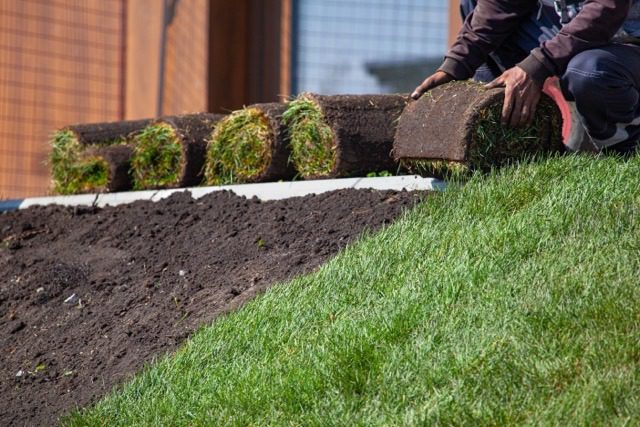
Sod maintenance is the care your lawn needs to help fresh-cut sod take root and turn into a healthy, established lawn. Because new sod starts with shallow roots, it relies on consistent watering, the right mowing height, and well-timed fertilizing to stay strong as it settles into your soil.
Harvesting sod removes most of the root system, putting the grass under short-term stress. Over the next 10–14 days, the sod begins “knitting” into the soil as new roots form. During this period, the grass can’t pull much moisture from deeper in the ground, so daily surface watering plays a key role in helping it survive and take hold.
Step-by-step guide for maintaining new sod
New sod needs a little extra attention in the first few weeks. Use this simple timeline to keep your lawn healthy from day one through the first month.
1. Immediate watering (Day 1)
Start watering within 30 minutes of installation. Apply at least one inch of water to wet the soil beneath the sod thoroughly. You want moisture to reach about three to four inches into the soil.
If the weather is hot and dry, start watering completed sections before you finish the entire lawn to prevent wilting.
2. The first two weeks: Establishment phase
During the first two weeks, focus on keeping the sod consistently moist while the roots begin to take hold.
- Schedule: Water twice daily, typically morning and afternoon.
- Amount: Water deeply until the soil is saturated, not puddling.
- Weather adjustments: Increase watering during windy conditions, as sod dries out more quickly.
Avoid watering in the evening. Leaving water on the lawn overnight can lead to the growth of fungus and disease.
3. Applying fertilizer on new sod
Fertilizing supports strong roots and helps your lawn fill in thick and green. Timing matters, so many Utah homeowners follow a simple holiday schedule:
- Memorial Day
- Labor Day
- Halloween
- Early spring (optional)
If you install sod in spring or early fall, plan your first application of fertilizer on new sod around the next major holiday. Spring installation often coincides with Memorial Day, and fall installation often aligns with Halloween.
4. The first mow (Week 1 to Week 2)
Mow about one week after installation, once the sod starts rooting. Use a walk-behind mower set high, around three inches.
Avoid riding mowers early on. They’re heavy, and the wheels can shift sod or tear tender turf. After about three weeks, most lawns are rooted enough to move into a normal mowing routine. Keep your mower blades sharp, and never remove more than one-third of the grass blade per cut.
5. Transitioning to deep watering (Week 3+)
Once the sod has rooted, reduce watering frequency and switch to deeper, less frequent cycles. This encourages deeper roots and helps the lawn handle dry conditions more easily over time.
Why proper sod maintenance matters
- Builds strong roots: Patience and consistent care help the sod establish properly.
- Reduces disease risk: Morning and afternoon watering helps prevent fungus issues.
- Supports healthy growth: Leaving clippings in spring and fall can return nutrients to the soil.
- Limits weeds: Thick, healthy grass naturally crowds out weeds over time.
Mistakes homeowners should avoid
- Watering too late: Evening watering can lead to fungus. Stick to morning and afternoon.
- Using a riding mower too soon: Heavy equipment can shift sod and leave ruts.
- Scalping the lawn: Cutting more than one-third of the grass stresses it.
- Ignoring wind: Wind dries sod faster than many homeowners expect.
- Applying fertilizer too early: Applying heavy fertilizer to new sod before it has rooted can burn tender grass.
Sod health statistics
- Root Depth: Increases by 50% when transitioned to deep/infrequent watering.
- Nutrient Uptake: Grass absorbs nutrients best in soil with a pH of 6.5–7.0.
- Mowing Impact: Maintaining a height of two to four inches promotes deeper, stronger roots.
- Weed Resistance: Dense lawns have 70% fewer weeds than thin, patchy lawns.
Recommended tools and products
To successfully manage your sod maintenance, consider having these items on hand:
- Walk-behind power mower: Essential for the first month to avoid soil compaction.
- Sharp mower blades: Dull blades tear the grass, resulting in brown tips and increased susceptibility to disease.
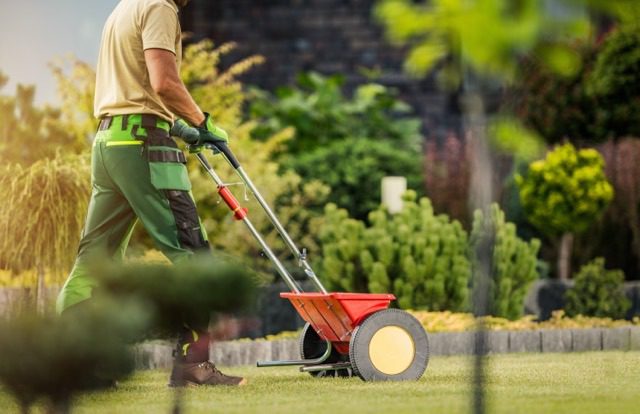
- Fertilizer spreader: For even application of fertilizer on new sod.
- Oscillating sprinkler: Great for hitting corners or edges that automatic systems might miss.
- Soil moisture probe: A simple way to ensure water is reaching the three-to-four-inch depth mark.
FAQs
How long does it take for sod to root?
Most sod begins rooting within a couple of weeks. You can test it by gently lifting a corner of the sod. If it resists, the roots have started to anchor, which often happens around day 14.
When can I walk on my new lawn?
Give your sod time to establish. Keep foot traffic to a minimum for the first two weeks, and avoid heavy use until the lawn feels firmly rooted.
How often should I mow in the spring?
Grass grows fastest in spring and fall, so plan to mow more often during those seasons. Mow frequently enough that you never remove more than one-third of the blade in a single cut.
Can I use a riding mower on new sod?
Not right away. Riding mowers are heavy, and the wheels can shift or tear tender sod. Use a push mower for at least the first three weeks.
How soon should I water after laying sod?
Water within 30 minutes of installation. Apply enough water to soak three to four inches into the soil. Consistent watering is especially important during the first two weeks.
How often should I apply fertilizer to new sod?
Follow a simple holiday schedule: Memorial Day, Labor Day, and Halloween. Apply fertilizer only after the sod has begun establishing, so you support root growth without stressing the turf.

Utah lawn care tips
Utah’s high-desert climate dries out sod quickly, especially during hot afternoons and windy days. In many cases, the “one inch of water” rule is a starting point, not a finish line. Soil conditions also vary across the Wasatch Front, from sandy areas to heavier soils, so pay attention to how quickly your lawn dries out.
If you install sod during hot, dry weather, water completed sections right away instead of waiting until you finish the entire lawn. This simple step helps prevent stress and keeps the sod from drying out before it can root.
Monarch Sod helps you get the best results from your new sod
Caring for new sod takes a few weeks of consistent attention, but it pays off with a thick, healthy lawn that lasts. Focus on early watering, mow at the right height, and apply fertilizer at the right time to support strong roots and steady growth.
Need help? Visit our website to get a free quote or explore our other guides on soil preparation. We proudly serve Utah.