






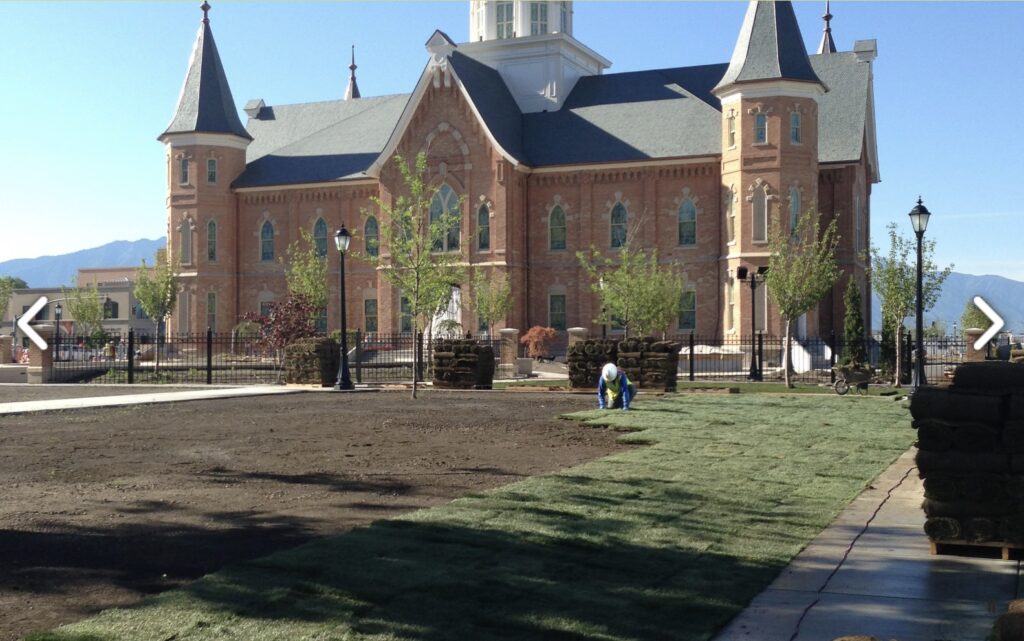
You install sod in the rain, but conditions matter. Light rain could actually help keep new sod moist and promote healthy root bonding, while heavy rain or muddy soil leads to uneven laying, poor contact, and root rot. For successful sod installation in Utah, ensure the ground is firm, level, and well-drained.
Is installing sod in the rain a good idea?
Rainy weather leaves homeowners wondering whether it’s safe — or smart — to move forward with sod installation. While new grass needs water, too much causes problems like poor rooting and soil compaction. For Utah homeowners managing unpredictable spring weather, knowing when and how to install sod in the rain saves time, money, and frustration.
In this guide, you’ll learn how climate, soil conditions, and timing affect laying sod in Utah, plus expert tips to ensure your lawn thrives — even if the forecast calls for showers.
What happens when you install sod in the rain?
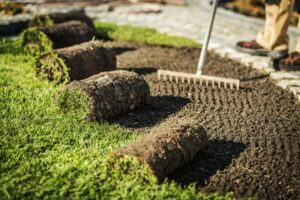
Sod installation involves laying pre-grown grass rolls on prepared soil to create an instant lawn. A light drizzle actually makes sod installation easier; it keeps the soil moist and flexible, improving adhesion. However, heavy or prolonged rain will saturate the soil, leading to muddy conditions and uneven root growth.
When planning to lay sod in Utah, always evaluate two factors: ground moisture and temperature. Spring and early fall are usually perfect because temperatures are mild and rainfall is balanced.
Step-by-step guide to laying sod in rainy conditions
1. Check soil drainage
Make sure your lawn doesn’t have standing water. Poor drainage prevents sod from bonding to the soil.
2. Prepare the ground
Loosen the top two to three inches with a rake. Avoid walking on saturated soil, as footprints create dips that ruin alignment.
3. Lay sod quickly
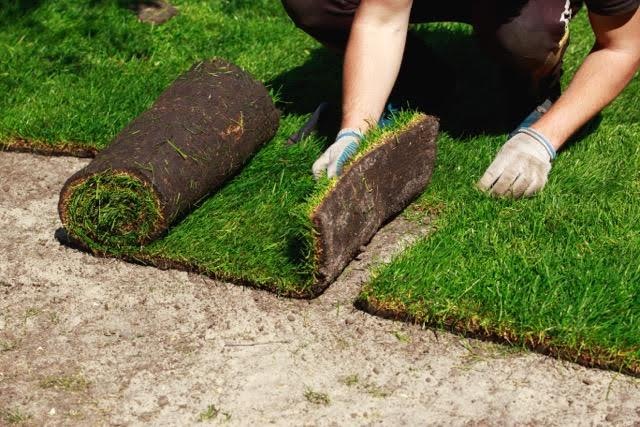
Place sod strips snugly against each other, staggering seams for a natural look. Minimize gaps to prevent drying or weed intrusion.
4. Roll and settle the sod
Use a lightweight roller to flatten seams and improve soil contact, even after light rain.
5. Water gently
If rain is already falling lightly, hold off additional watering until conditions stabilize. The goal is moist — not soggy — soil.
6. Inspect after 48 hours
Check corners or edges. If soggy areas remain, air them out and reduce watering for a day or two.
This step-by-step process ensures you manage sod installation effectively, even during unstable spring weather in Utah.
In northern regions like Cache Valley, where heavy rainfall saturates clay-based soils, homeowners often delay laying sod by a few days to avoid puddling. In contrast, southern Utah lawns near St. George benefit from occasional rain that helps with early hydration during installation.
These examples show that successful sod installation depends on timing, technique, and Utah’s unique microclimates.
Benefits of proper sod installation
Promotes root growth
When you grade, level, and prepare the soil correctly, you promote rapid root growth and create a uniform lawn surface that feels firm underfoot instead of spongy or rutted. When done right, sod installation creates consistent soil contact, allowing roots to anchor and access nutrients quickly.
Prevents erosion and runoff
A well-installed lawn also helps prevent erosion and runoff, even after rainfall or sprinkler cycles. Instead of water washing soil away, a dense mat of roots and blades holds everything in place, particularly on slopes and newer construction sites.
Compared to seeding, laying sod gives you an instant, usable lawn that’s easier to mow and maintain within a few weeks.
Curb appeal
Curb appeal is another major advantage of professional sod in Utah. A fresh, even green lawn immediately boosts how your home looks from the street, which is ideal if you’re selling, hosting events, or want a polished yard.
By preparing the soil properly before laying sod, you maintain the structure, which is especially important in wetter or poorly drained areas where ruts and puddles form easily.
Finally, quality Utah sod installation reduces water waste. Good contact between sod and soil improves moisture retention, so your irrigation soaks in instead of running off sidewalks or pooling in low spots.
When done correctly, laying sod during light rain even enhances the bond strength between sod and soil, reducing the need for frequent watering later and helping your lawn establish more efficiently with less stress.
Common mistakes to avoid
When the ground is too wet
When the ground is too wet, footprints and equipment leave deep impressions that cause low spots, poor contact, and future drainage issues. Instead, the soil should be moist but firm so each piece of sod sits flat and stable during sod installation.
Walking across fresh sod
Another common issue is walking heavily across fresh sod before roots have a chance to set. Excess traffic shifts seams, creates dips, and compacts the soil beneath, making it harder for roots to penetrate. Overwatering when rain is already frequent is equally problematic. Too much moisture suffocates roots, invites disease, and is a leading cause of failure for new Utah sod.
Ignoring soil compaction
Homeowners also tend to ignore soil compaction after heavy rainfall. If the soil crusts over or compacts, laying sod on top will limit rooting and result in thin, patchy growth. Skipping rolling or leveling after installation is another mistake; a light pass with a roller helps remove air pockets, tighten seams, and create more uniform contact between sod and soil.
Research and statistics
- Homes that install sod in properly drained soil establish roots faster than those on compacted soil.
- In northern Utah, early-spring sod installations use less irrigation due to natural rainfall.
- Many sod failures are caused by overwatering or by installing sod on muddy ground.
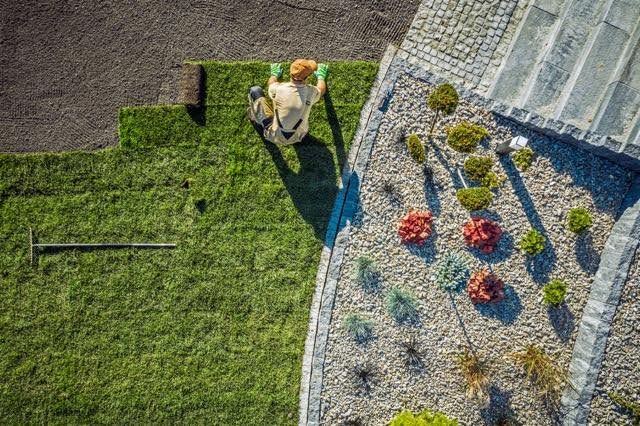
Recommended tools and products
- Lawn roller
- Garden rake and sod cutter
- Soil moisture meter
- Starter fertilizer with balanced nitrogen
- Watering wand or sprinkler timer (to avoid overwatering)
- Organic topsoil blend for leveling uneven areas
Using proper tools helps keep your sod in Utah evenly rooted and prevents issues caused by excess water.
FAQ
Q: Can I install sod in heavy rain?
No. Heavy rain saturates the soil, preventing proper root bonding. Wait until the ground is damp but firm before continuing installation.
Q: Is light rain good for sod installation?
Yes. Light rain keeps the sod hydrated and minimizes transplant shock. Many Utah landscapers prefer mild showers during installation to make handling easier.
Q: How soon will sod root after installation?
With ideal conditions, new sod in Utah typically establishes roots within 10–14 days.
Q: Should I walk on new sod after it rains?
Avoid walking on wet or recently installed sod for at least one week to prevent seam shifting and soil compaction.
Q: What type of soil is best for sod installation in Utah?
Loamy soil with balanced drainage works best. Many Utah yards benefit from mixing organic matter or sand to improve structure before laying sod.
Refresh your lawn with Monarch Sod
Installing sod in light rain can be beneficial, but timing, soil prep, and Utah’s weather patterns matter. Moist, stable ground supports strong root growth, while excessive rain leads to setbacks.
Ready to enhance your lawn with expert care? Contact Monarch Sod for professional sod installation guidance tailored to Utah’s climate, or explore more lawn care tips to keep your new turf thriving year‑round.